
Trump Signs Executive Order to Reduce Diesel Costs for Heavy Fuel Users
LAS VEGAS, Nev. — On Sunday, President Donald Trump enacted an executive order designed to lower diesel prices for truckers, farmers, and other heavy fuel consumers.
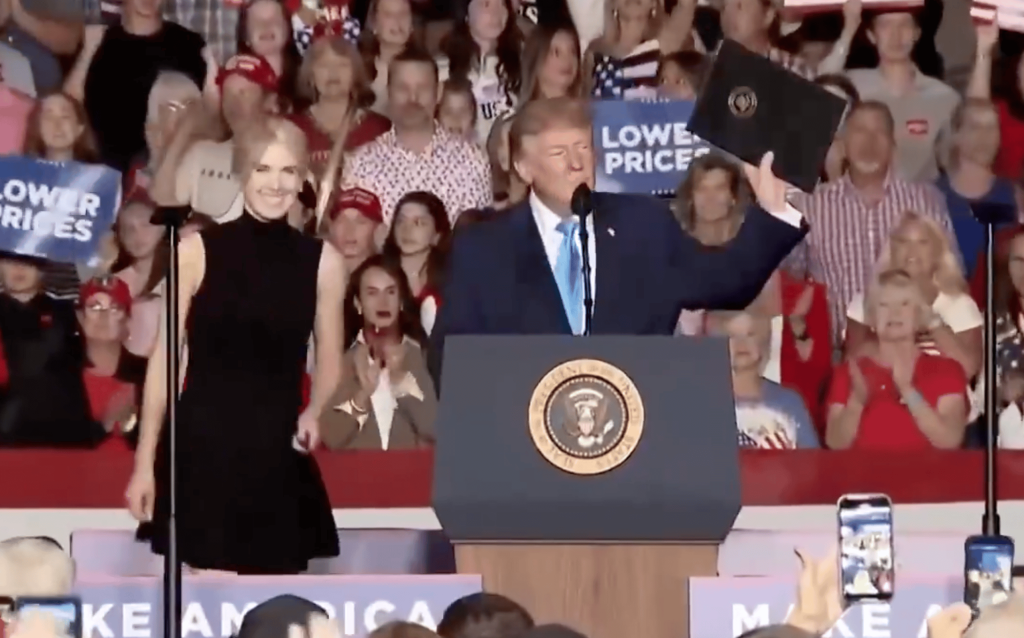
LAS VEGAS, Nev. — On Sunday, President Donald Trump enacted an executive order designed to lower diesel prices for truckers, farmers, and other heavy fuel consumers. This order includes provisions for the temporary use of tax-free dyed diesel on highways and instructs the Treasury Department to postpone certain federal diesel tax obligations until the end of 2026.
The order specifically addresses the federal excise tax of 24.4 cents per gallon typically applied to highway diesel. Dyed diesel, or red diesel, is similar to regular diesel but is primarily designated for off-road applications due to its exemption from highway fuel tax. Under the terms of the order, the Treasury has five days to assess the feasibility of this tax relief and identify eligible taxpayers.
If granted, diesel tax payments from October 5 to December 31 would be deferred without any penalties or interest charges. Furthermore, the IRS is tasked with halting penalties for the use of dyed diesel on public highways during this period. The administration anticipates potential savings of around $60 for a standard 250-gallon fill-up, which could surpass $100 if states align and waive their respective taxes.
Nevada has a state tax of 27 cents per gallon on clear diesel, and currently, dyed diesel is exempt from this tax. Although the executive order encourages states to implement similar tax relief, it doesn’t eliminate Nevada’s tax. The administration believes that even temporary relief could significantly benefit Nevada’s trucking, construction, and agricultural sectors.
This emergency measure stems from rising diesel prices caused by decreasing global supplies, which have stressed industry operations. The Department of Agriculture will partner with rural fuel distributors to ensure continued access to dyed diesel in high-demand regions. Ultimately, the potential for additional state-level relief in Nevada remains to be seen, as it could greatly impact savings for local businesses and consumers.



Comments
No comments yet.